Skyline Entertainment Aviator Gaming City Views in Canada
July 6, 2026 2026-07-06 1:51Skyline Entertainment Aviator Gaming City Views in Canada

Canada’s city skylines are the new venue for a unique kind of night out. Up on the roofs, you can now discover the rhythm of aviator popular live dealer games, a crash game, paired with panoramic views. This isn’t just another bar with a terrace. It’s a thoughtful combination of digital rush and physical splendor, attracting crowds in Toronto, Vancouver, and Montreal who seek more from an evening. The encounter relies on a basic formula: the anticipation of the game, enhanced by the scene of a shimmering urban horizon.
Essential Features of a Leading Rooftop Gaming Venue
Throwing a TV on a patio won’t create a rooftop gaming venue. The finest spots, the ones that earn a reputation, have a set of core features. These elements ensure the technology operates, the guests are relaxed, and the experience flows well. It’s about mixing atmosphere, service, and hardware into a single, smooth package. Nailing this is what transforms a curious first-time visitor into a frequent guest.
- Dependable Technological Infrastructure:
- Thoughtful Layout and Design:
- Attentive and Informed Service:
- Curated Atmosphere:
Prime Canadian Locations for Rooftop Aviator Entertainment
This movement has found fertile ground in Canada’s biggest urban centers. These cities have the density, the tourist numbers, and the cultural curiosity to support such hybrid venues. You’ll typically find them downtown or in trendy districts, integrated into the existing nightlife circuit. Each city contributes its own local color, from Montreal’s historic terraces to Toronto’s glass-and-steel peaks. Here are the key metros where rooftop Aviator entertainment is thriving.
- Toronto, Ontario:
- Vancouver, British Columbia:
- Montreal, Quebec:
- Calgary, Alberta:
Economic and Social Dynamics of the Phenomenon
This is not simply a passing fad; it generates real effects on city life. These venues provide employment, not just for waiters and bartenders, but for tech support and security. They pull evening foot traffic into neighborhoods, boosting nearby restaurants and shops. Tourism boards have begun to cite them as attractions, points of pride that show a city’s modern edge. The revenue they produce supports broader urban development, sometimes aiding to lift an up-and-coming area.
Socially, they act as modern town squares. They turn impressive views public, views that used to be confined in private penthouse clubs. A shared game like Aviator turns into a conversation starter, connecting people who might not otherwise talk. It provides a social framework for gaming, a regulated alternative to playing alone on a phone at home. The trend is even molding new buildings, where architects and developers now often plan for rooftop entertainment space from the very first blueprints.
Understanding Aviator Games: Electronic Thrills in the Fresh Air
Aviator Games, available on platforms connected to the game, is straightforward to learn. You put a bet, watch a virtual plane lift off on screen, and cash out as a multiplier climbs before the plane disappears. The rules are simple, the rounds are fast, and that’s why it works in a social environment so well. On a rooftop, the game’s natural tension plays against the steady, sprawling city view. The juxtaposition is the main point. Because it’s so simple, groups can join and leave without breaking conversation.
Venues typically host the game on large public screens or through tablets at tables. This arrangement generates a buzz—you catch the collective groan or cheer when someone cashes out too late or scores big. For the business, it offers people a incentive to remain for another session, literally and figuratively. It’s acknowledged that the game includes betting, but in these environments, its main role is as a social engine. Another real-world win: being digital, Aviator Games doesn’t care if it’s raining or warm. It introduces a element of modern gaming to the traditional rooftop bar model.
Where Skyline Meets Strategy: The Unmatched Combination
The essence is in the combination. A panoramic view is more than a pleasant extra; it actively changes how the game plays. Observing the sunset tint the skyscrapers while your multiplier ticks upward creates a particular kind of energy. The mood lifts, conversations get louder, and the shared focus bonds strangers. Your attention divides between the expansive, slow-changing cityscape and the rapid, climbing numbers on screen. Good venues design their space to serve both masters, guaranteeing no seat has a bad view of either.
Psychologically, being up high creates a sense of retreat. You’re truly above the daily grind, which syncs with the fantasy of the game. For visitors, it packages a classic Canadian city vista with a shot of contemporary adrenaline. The surroundings also act as a subtle regulator. The immense scale of the view can pull you out of the game for a moment, providing a pause that promotes a more measured pace. The city is more than a backdrop here. It’s a key player, setting the personality of each venue from coast to coast.
Exploring the Path: Developments and Factors
The future of rooftop Aviator Games in Canada? The movement is poised to grow and adapt. Augmented reality may let game graphics blend with the real skyline. Sustainability will move front and center, with more green roofs, solar panels, and local materials to fulfill customer expectations. We’ll likely see more bundled tickets—maybe a gaming pass that offers a craft cocktail flight or access to a rooftop concert.
Regulation will keep pace to guarantee responsible play in these social settings. Venues may integrate more discreet age-verification and spending-limit tools at each terminal. The concept will also spread beyond the biggest cities, as smaller urban centers pursue ways to invigorate their downtowns. As the technology gets cheaper and more robust, the blueprint for a successful venue will become easier to follow. This could result in rooftop gaming becoming a common feature in Canadian nightlife, from major hubs to regional capitals.
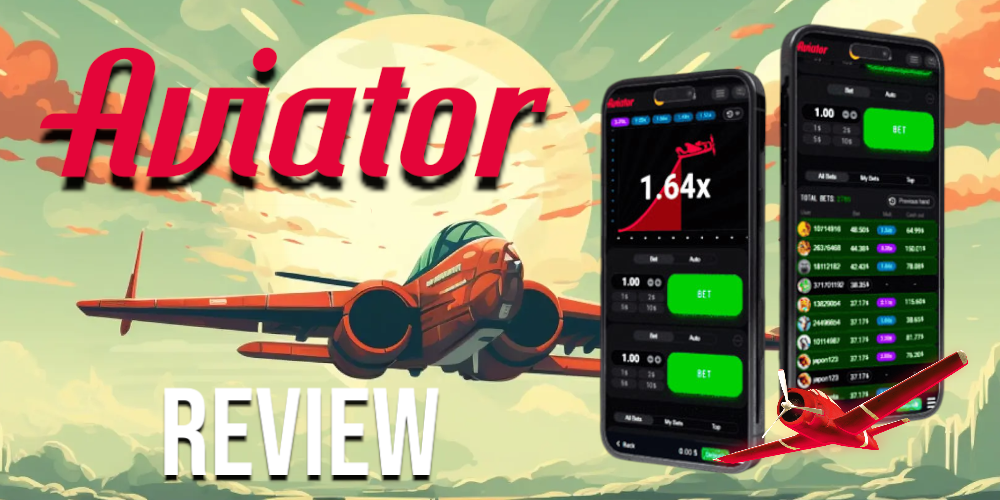
The combination of Aviator Games with rooftop vistas signals a clear shift in Canadian entertainment. It links digital play with the physical awe of a cityscape, crafting destinations that are about more than just one thing. It addresses a modern demand for layered experiences that captivate you and calm you at the same time. As cities progress, these venues highlight a creative approach to hospitality. They indicate a future for social leisure where community, technology, and a great view occupy the same table.
The Emergence of Elevated Social Experiences
Rooftops in Canada have left behind their one-note reputation. They’ve become versatile social hubs, and adding interactive games like Aviator is a shrewd play for a crowd that seeks an activity. People don’t just want a drink; they want a story to tell. The open-air setting, now often bundled with heaters and wind screens for January nights, offers the atmosphere. The game provides the shared focus. Together, they turn a casual gathering into an event.
Canadian cities, with their pronounced seasonal shifts and iconic architecture, make perfect sense for this. The success of these spots indicates a wider shift in how we relax. We want to be part of the scene, not just watch it. Making this work meant solving a practical puzzle: installing reliable tech that can handle a rain shower or a freezing wind. With that resolved, rooftop gaming has carved out a solid niche. It attracts dedicated gamers alongside friends who just want something fun to do while they look out over the city lights.
